Phones answered 24/7Decatur, IL
Call (833) 490-5225
Phones answered 24/7Call any time(833) 490-5225
Urgent? Phones answered 24/7

Sewer backup cleanup in Decatur

Sewage that rises through drains or floor fixtures is removed, the affected surfaces are sanitized and the lower floor is dried under a documented plan.

  • Answered 24/7
  • Frozen and burst pipes
  • Basement and sewer backups

Get a fast quote

Fastest: call (833) 490-5225. Or send this and we call you back.

Sewer Backup

Sewer Backup Cleanup: what it covers

Quick answer

Decatur Water Damage Restoration cleans up sewer backups in Decatur around the clock. Water and waste that came up through drains, toilets or floor fixtures are removed, porous material is bagged, surfaces are sanitized and the space is dried to readings. Crews use protective gear from the first visit because sewage is not clean water.

Sewer Backup Cleanup illustration for Decatur, IL

Decatur runs combined storm and sanitary sewers, which means that rain runoff and household waste share the same pipes in many parts of the city. In a heavy storm those pipes can fill faster than they drain, and the water finds the lowest openings in a house: a floor drain, a basement toilet, a laundry sink or a shower. The city has said that basement backups occur across the city, and that is the reason this service exists here.

A sewer backup is a different kind of loss from a clean-water leak. The water has been in contact with human waste, and it carries bacteria and other pathogens that do not belong in a home. Crews treat the whole event as contaminated from the first step, and they use gloves, eye protection, respirators where needed and disposable coveralls for anyone working in the wet area.

The city has approved a project to separate the combined system, which is the city's work to plan and carry out. Until that work changes the pipes that serve a given block, a homeowner should expect that a heavy storm can still push sewage back toward the lowest floor. Decatur Water Damage Restoration is ready for that call whenever it comes, at (833) 490-5225.

Service area
Decatur & Macon County
Availability
Phones answered 24/7, emergencies first
Warning signs

Signs you need sewer backup cleanup

Treat any sewer backup as hazardous. Keep children and pets out of the wet area, wash hands thoroughly after any contact, and do not eat or drink near the water. Do not use fixtures that drain to the affected line, and never run a generator or wet vacuum in standing water. Wear gloves and eye protection for any task near the drain. Call Decatur Water Damage Restoration at (833) 490-5225 for cleanup, and leave removal of contaminated material to trained crews.

  • Gray or dark water standing in a floor drain, a basement toilet or a shower pan
  • A rotten or sewage smell in a basement that does not clear with a fan
  • Gurgling from a floor drain or a toilet when a washer or sink drains upstairs
  • Waste or paper caught around a floor drain grate after a storm
  • Damp carpet, pad or drywall at the base of a basement wall
  • Stains or a film left on a concrete floor after the water has drained
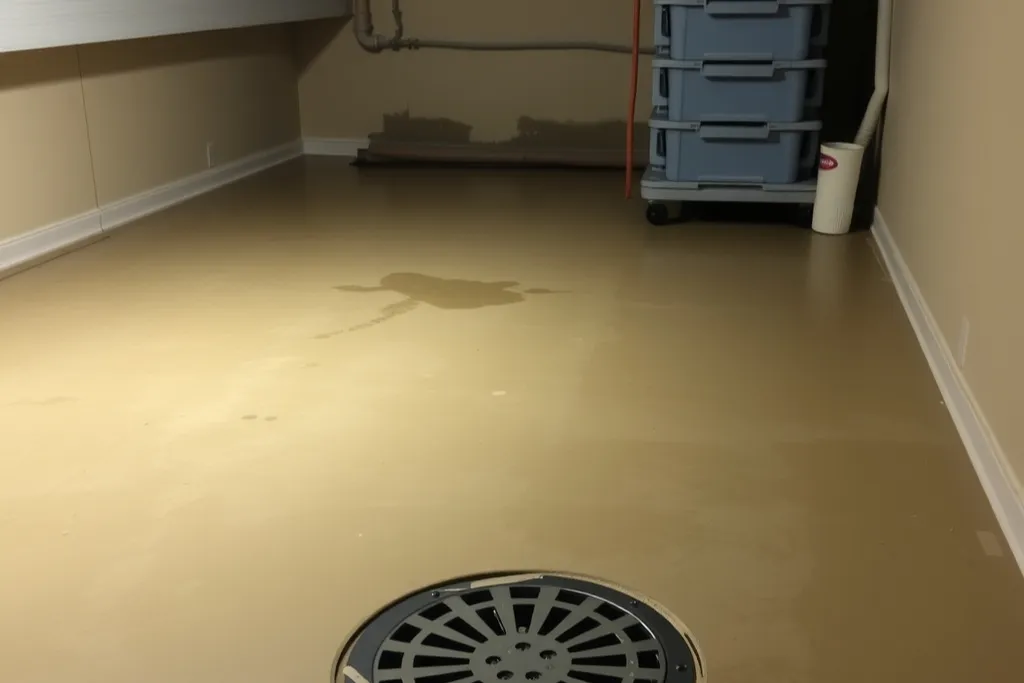
A basement floor drain with a thin film of water and a stained lower wall behind it.
A backup usually shows first at the lowest drain in the house.Illustration only: a scene of the kind described on the page, generated for this site. It is not a photograph of a job a crew has done, and it shows no particular Decatur house or resident.
Job stories

Typical jobs for sewer backup cleanup

Typical job
Illustration: Typical: a basement drain that came up after a summer storm

Typical: a basement drain that came up after a summer storm

What homeowners notice
After a heavy evening storm, water rose through the floor drain of a finished basement and spread across carpet and the lower walls of a storage room. The smell was strong, and the water had reached the bottom of the stairs.
What we do
The crew kept the family out of the basement and confirmed power to the area was off. Standing water was pumped out, carpet and pad were removed, and the lower drywall was opened where moisture readings were high. The room was cleaned and disinfected before any drying equipment was placed, and the storage shelves were emptied onto a plastic sheet outside the room.
What to expect
The owner received a list of removed items with the reason for each, the cleaning steps and the readings that closed the job. The city's sewer department was called separately about the main, and the owner kept its reply with the records.

one long day for the cleanup and two follow-up visits typical visit

Options

Types and options for sewer backup cleanup

Backup through a basement floor drain

A floor drain that takes sewage back into the basement usually leaves a shallow pool that spreads under the shelving, the stored boxes and the lowest drywall. The job is mostly about the floor, the wall base and the contents that are unsalvageable, along with a check of the drain line.

Backup through a basement toilet or shower

When a fixture on the lowest level takes waste back, the water is often deeper than the homeowner expects and carries more solids. The room is treated as heavily contaminated, and the crew checks whether the upper floors were touched by the same line.

Backup into a finished basement

A finished basement holds carpet, paneling, a bar, furniture and wiring, and each of these is handled differently. Carpet and pad are removed, paneling is opened where water reached it, and outlets are checked before power returns to the room.

One call and it gets handled.

A crew is dispatched as fast as one is available, and you approve the estimate before any work starts.

Why is sewage treated differently from a clean-water leak?

Sewage carries bacteria, viruses and other pathogens, so every material it touches is treated as contaminated and handled to a stricter standard.

A supply-line leak brings clean water into the house, and the cleanup is mostly about moisture. A sewer backup brings water that has already been in contact with human waste. That water can carry organisms that make people sick, and the crew plans the whole job around keeping those organisms out of the air, the hands and the rest of the home.

Porous materials are the critical difference. Carpet, pad, insulation and paper-faced drywall that take in sewage cannot be fully disinfected, so they are removed rather than washed. Hard, non-porous surfaces can be cleaned and treated, which is why the job separates the two before work begins.

Why do combined sewers back up into basements?

In a combined system, rain and household waste share the same pipes, so a heavy storm can fill the line faster than it drains and push water back toward the lowest openings.

Decatur's sewers carry storm runoff and sanitary waste in the same system. When rain arrives faster than the pipes can carry it, the level rises in the line and water seeks the easiest exit, which is often the floor drain or the lowest fixture in a home. Basements sit closest to that level, so they take the first wave.

The city has stated that basement backups occur across the city and has approved a project to separate the combined system. That project is the city's responsibility. For the homeowner, the practical point is that a heavy storm can still push sewage into a basement, so a cleanup plan is worth knowing before it is needed.

What can a homeowner do before the crew arrives?

Stay out of the wet area, avoid using fixtures that drain to the line, and photograph the damage before anything is removed.

Stop using toilets, sinks, showers and laundry drains as soon as water shows up in the lowest level. Using them pushes more water into the same line. Turn off the power to the affected part of the basement only if that can be done without standing in water, and keep children and pets out until a technician confirms the room is safe.

Photograph the water, the drain, the walls and the belongings that were touched. Record the time the backup started and the weather that day. Those details help the cleanup crew plan the work and help any later claim or plumbing repair follow the facts.

How is sewage cleanup finished and verified?

The room is considered clean when hard surfaces pass a visual and sanitary check, porous materials are gone and the structure dries to readings.

The crew checks each cleaned surface, the drain and the lowest fixture before it calls the room clean. It also confirms that every porous material that was contaminated has been removed or sealed away from living areas. Drying then follows on its own schedule, and the readings are logged until the framing and subfloor reach their dry targets.

The final report lists the areas affected, the materials removed, the treatments used and the readings at each visit. A plumber or the city's sewer staff may need that record to trace the cause, so the homeowner keeps it with the other documents from the event.

Our process

How our sewer backup cleanup visit works

  1. Stop the flow and protect the people

    Water is shut off to the affected fixtures where it can be done safely, and everyone is kept out of the wet area until protective gear is on. A technician assesses whether any electrical equipment sits in the water and whether the power to that part of the house must be turned off.

  2. Remove the water and the waste

    Pumps and wet vacuums clear the standing water and any solids. Porous material that has soaked up sewage, including carpet, pad, insulation and lower drywall, is removed and bagged. Those materials cannot be cleaned to a safe standard, so they leave the house.

  3. Sanitize the surfaces that stay

    Hard surfaces and framing that remain are cleaned with detergent and then treated with an antimicrobial. The crew works from the cleanest area toward the most contaminated one, and tools are cleaned between rooms so the cleanup does not spread what it removed.

  4. Dry and verify

    Once surfaces are clean, air movers and dehumidifiers dry the structure to readings, with each visit repeating the measurements. The crew also checks the floor drain and the lowest fixture for the reason the water came up, and it writes that down for the homeowner and any plumber called in.

Macon County

Why sewer backup cleanup is different in Central Illinois

Sewer backups in Decatur follow the storms, and the combined system means a heavy rain can push water into a basement in several neighborhoods on the same night. A crew learns the street and the block before it starts, because the lowest floors on a given block share the same line and the same entry points.

Across Macon County, villages are served by their own systems, and a backup there can have a different cause than one in the city. A technician asks which system serves the house before deciding how to proceed, and notes any sewer or water line that appears to be involved in the report.

The city's own sewer and water lines are separate from Decatur Water Damage Restoration, and a homeowner should keep the city's contact information on hand for questions about the public line. The crew handles the cleanup inside the house and tells the homeowner what the plumbing record shows.

Related

Basement Flooding Cleanup

Water is pumped from the lowest level, soaked finishes come out, the walls and joists are read and the basement is dried in a set order.

Emergency Water Extraction

Standing water is pumped out of floors, carpet and crawl spaces, the room is made safe to enter, and drying starts without a gap.

Guides

Read before you book

FAQ

Sewer Backup Cleanup FAQs

Is sewage in a basement dangerous to breathe?

It can be. Sewage gives off odors and can carry microbes into the air during removal. Crews use respirators and ventilation where needed, and they keep the wet area sealed off from the rest of the house while the work is done.

Can I clean up a sewer backup myself?

Small, hard-surfaced spills can be cleaned with protective gear, but porous materials that soaked up sewage should be removed by trained people. A homeowner who is unsure should leave the wet area and ask Decatur Water Damage Restoration for advice.

Will the carpet and drywall have to go?

Carpet, pad, insulation and drywall that soaked up sewage are usually removed, because they cannot be cleaned to a safe standard. Framing and hard surfaces that remain are cleaned, treated and dried before any new finish goes back in.

Why did the water come up in my basement but not the upstairs?

The lowest openings in a house sit closest to the sewer level, so they take water first when the line backs up. A basement floor drain or a lower fixture is the usual entry point, and the crew checks that path to find the cause.

Should I call the city or Decatur Water Damage Restoration?

Call Decatur Water Damage Restoration at (833) 490-5225 for the cleanup inside the house. Questions about the public sewer line belong with the city, and the crew can tell you what the plumbing record shows so you can bring that to the city or to a plumber.

Will the house smell after the cleanup?

A properly cleaned and dried space should not keep a sewage smell. If an odor lingers after drying, the crew returns to check the drain, the subfloor and any materials that were left in place, because the source is still there.

WhatsApp